
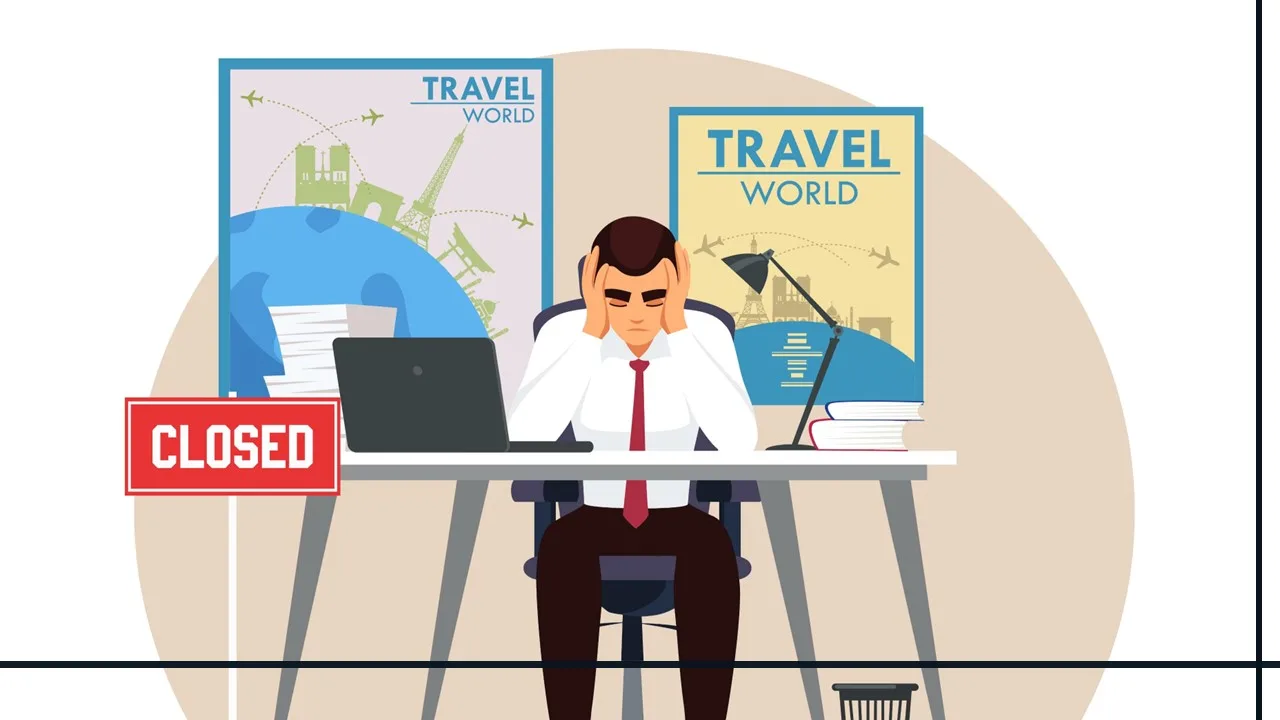
In today’s digital-first world, having an online presence is no longer optional; it’s the lifeline of modern business. Yet despite the endless opportunities the internet provides, most small businesses fail online. They launch with enthusiasm, build a website, post a few times on social media, and then… nothing. No traffic. No leads. No sales. Eventually, frustration sets in, and the business owner concludes that “online marketing doesn’t work.”
But the truth is far more strategic than that. Small businesses don’t fail online because the internet is too competitive. They fail because they misunderstand how the digital ecosystem works. If you’re a small business owner determined to succeed online, understanding these pitfalls is your first competitive advantage.
1. No Clear Digital Strategy
One of the biggest reasons small businesses fail online is simple: they have no strategy. They jump into digital marketing without a plan, hoping that a website or a few social posts will magically attract customers.
But online success requires
- A clear target audience
- Defined goals
- A content strategy
- A marketing funnel
- A budget for ads or SEO
- A long-term growth plan
Without these, even the best-looking website will underperform.
2. Poor Website Design and User Experience
Your website is your digital storefront. If it loads slowly, looks outdated, or confuses visitors, they’ll leave within seconds.
Common website mistakes include:
- Slow loading speed
- Not mobile-friendly
- Hard-to-find information
- No clear call-to-action
- Poor branding
- Broken links or outdated content
In a world where attention spans are shrinking, user experience (UX) is everything. Google also ranks websites based on performance, meaning a poorly optimized site hurts both your credibility and your search visibility.
3. Ignoring SEO (Search Engine Optimization)
Many small businesses fail online because they underestimate the power of SEO. They assume that simply having a website means people will find it. But with millions of competing pages, visibility doesn’t happen by accident.
SEO helps your business:
- Rank on Google
- Attract organic traffic
- Build trust and authority
- Reduce advertising costs
- Generate long-term leads
Ignoring SEO is like opening a store in the desert and hoping customers will wander in.
4. Inconsistent or Low-Quality Content
Content is the engine of online visibility. Yet many small businesses either produce low-quality content or post inconsistently.
Examples of ineffective content:
- Generic blog posts
- Poorly written articles
- No keyword optimization
- No value for the reader
- Irrelevant topics
- Infrequent posting
High-quality content builds trust, educates your audience, and positions your brand as an authority. Without it, your online presence remains invisible.
5. No Social Media Strategy
Social media isn’t just about posting photos or sharing promotions. It’s about building relationships, engaging your audience, and creating brand loyalty.
Small businesses often fail because they:
- Post inconsistently
- Don’t understand their audience
- Use the wrong platforms
- Don’t engage with followers
- Only post sales content
- Ignore analytics
Social media success requires consistency, creativity, and a deep understanding of what your audience cares about.
6. Lack of Paid Advertising
Organic reach is powerful, but it’s slow. Paid advertising—whether through Google Ads, Facebook Ads, or Instagram promotions—accelerates visibility.
Many small businesses fail online because they:
- Expect free traffic
- Don’t allocate a marketing budget
- Run poorly targeted ads
- Give up too quickly
Paid ads are not an expense; they’re an investment. When done correctly, they generate leads, boost brand awareness, and drive sales.
7. Failure to Track Data and Analytics
What gets measured gets improved. Yet most small businesses never look at their analytics.
They don’t track:
- Website traffic
- Conversion rates
- Bounce rates
- Customer behavior
- Ad performance
- Email open rates
Without data, you’re guessing — and guessing is expensive.
Analytics reveal what’s working, what’s failing, and where to focus your efforts. Businesses that ignore data inevitably waste time and money.
8. Weak Branding and Messaging
Branding isn’t just a logo. It’s the emotional connection your audience forms with your business.
Small businesses often fail online because their branding is:
- Inconsistent
- Unprofessional
- Confusing
- Generic
- Not aligned with their audience
Strong branding builds trust. Weak branding repels customers.
9. Lack of Customer Trust Signals
Online customers are skeptical. They need proof that your business is legitimate.
Trust signals include:
- Reviews and testimonials
- Case studies
- Certifications
- Secure website (HTTPS)
- Clear contact information
- Professional design
Without these, visitors hesitate — and hesitation kills conversions.
10. Giving Up Too Soon
This is perhaps the biggest reason small businesses fail online. Digital success takes time. SEO takes months. Social media takes consistency. Content takes effort. Ads take optimization.
Many business owners quit before the results appear.
But those who stay consistent, adapt, and learn from data eventually win.
Success Online Is a Strategy, Not a Stroke of Luck
Most small businesses fail online not because the digital world is too crowded, but because they approach it without a plan. The businesses that thrive are the ones that invest in strategy, branding, SEO, content, and analytics—and stay committed long enough to see results. If you want your small business to succeed online, start by avoiding these common pitfalls and building a strong, strategic digital foundation.






Leave a Reply