
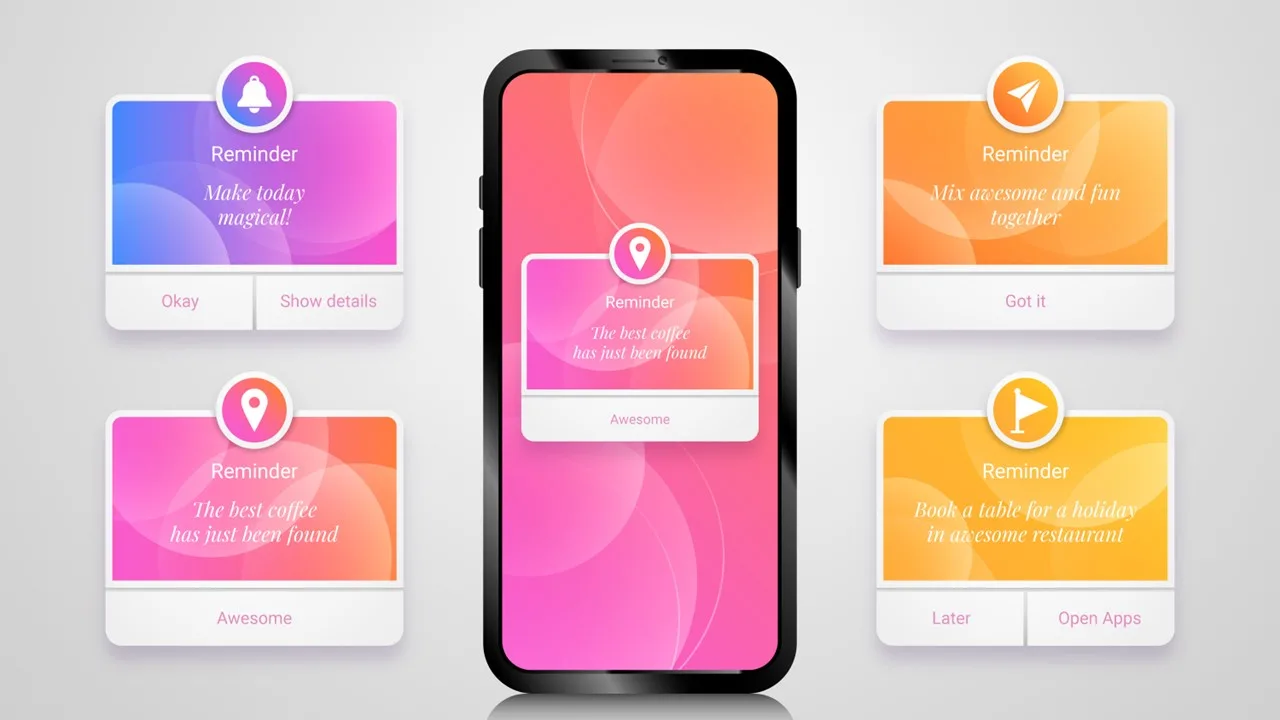
Every time you download a new app you are greeted with the same cheerful request. A bright popup appears asking you to turn on notifications. It feels like every app in the world wants your attention to turn on notifications. From social media apps to banking apps to shopping apps the request is always the same. But why is this happening and what is really behind this constant push for alerts and reminders
The short answer is simple. Notifications are the most powerful tool apps have to bring you back. They are the digital equivalent of a friendly tap on the shoulder. They keep you engaged informed and connected. But the long answer is far more interesting and reveals a lot about modern digital marketing user behavior and the psychology of attention.
One of the key reasons apps ask you to turn on notifications is to enhance user experience. When you turn on notifications, you stay updated and engaged, making it more likely for you to use the app regularly.
This article explores the real reasons every app wants you to turn on notifications and why this matters for your daily digital life. Along the way we will look at related keywords such as mobile engagement user retention push alerts app marketing digital attention and customer loyalty.
The importance of turning on notifications cannot be overstated. It creates a dynamic interaction that keeps users coming back for more content and services.
The Power of Instant Attention
The first reason apps want you to turn on notifications is the incredible value of instant attention. When your phone lights up you look. It is automatic. It is instinctive. It is powerful. Apps know this and they rely on it.
When you choose to turn on notifications, you’re not just receiving messages; you’re also participating in an interactive ecosystem that benefits both you and the app developers.
Notifications allow apps to reach you instantly. They do not need to wait for you to open the app. They do not need to hope you remember them. They can simply send a message and pull you back in. This is why notifications are central to modern app marketing strategies.
Apps use notifications to increase what marketers call user engagement. The more often you return to an app the more likely you are to use its features make purchases or interact with content. This is why notifications are a key part of customer retention strategies.
The Psychology Behind Notifications
Understanding the psychology behind why you should turn on notifications helps in realizing their potential impact on your daily life.
Notifications work because they tap into deep psychological triggers. One of the strongest is the desire for connection. When you see a message alert your brain reacts with curiosity and anticipation. You want to know what is waiting for you.
Another powerful trigger is the fear of missing out. Apps use notifications to remind you of updates sales messages or social interactions. This creates a sense of urgency. You feel like you need to check right away.
These psychological triggers are not accidental. They are carefully studied and intentionally used. App designers and marketers understand how human attention works and they build their strategies around it.
Notifications Drive Revenue
Another major reason apps want you to turn on notifications is simple. Notifications drive revenue. For many apps especially free apps the business model depends on keeping you active.
The economic model of many apps heavily relies on users deciding to turn on notifications, leading to increased revenue streams.
Shopping apps use notifications to promote sales and limited time offers. Food delivery apps use them to remind you of discounts or new restaurants. Streaming apps use them to highlight new shows or trending content.
Every notification is a chance to increase conversions. This is why notifications are a core part of digital marketing and mobile advertising strategies.
Notifications Build Habit Loops
Apps want to become part of your daily routine. They want you to check them without thinking. Notifications help create what psychologists call habit loops.
A habit loop has three parts. A cue a routine and a reward. Notifications act as the cue. You see the alert and open the app. The app then gives you a reward such as new content a message or a discount. Over time this loop becomes automatic.
This is why apps send regular notifications even when the message is not urgent. They want to keep the loop alive. They want to stay in your mind and on your screen.
Notifications Help Apps Compete for Your Time
When you turn on notifications, you enable apps to compete effectively for your time, ensuring you receive updates that are relevant to your interests.
There are millions of apps available today. Every app is fighting for your attention. Notifications give apps a competitive advantage.
If an app can reach you before another app does it wins a moment of your time. That moment might lead to a purchase a view a click or a share. In the world of digital engagement every moment counts.
This competition is especially intense in categories like social media entertainment shopping and gaming. These apps rely heavily on notifications to stay ahead of their rivals.
Notifications Personalize Your Experience
Modern apps use data to personalize notifications. They track your behavior preferences and interests. Then they send alerts that feel relevant and helpful.
For example a fitness app might remind you to complete your daily workout. A finance app might alert you about unusual activity. A travel app might notify you about flight changes.
Personalized notifications increase satisfaction and build loyalty. They make the app feel more useful and more connected to your life.
The Benefits for Users
Turning on notifications can enhance your experience, as they can provide timely reminders and alerts that keep you informed.
While notifications often benefit the app they can also benefit you. When used well notifications can help you stay organized informed and productive.
They can remind you of important tasks alert you to time sensitive information and keep you connected to people and services you care about. They can help you save money stay safe and make better decisions.
The key is balance. Too many notifications can feel overwhelming. But the right notifications can make your digital life smoother and more efficient.
How to Take Control of Your Notifications
If you want to manage your digital attention you can take control of your notifications. Here are some practical steps.
- Adjust notification settings to limit alerts to only the apps you truly need
- Remember to turn on notifications for essential applications to ensure you don’t miss important updates.
- Use focus modes to silence notifications during work or sleep
- Turn off promotional alerts for apps that send too many marketing messages
- Allow only essential apps to send real time alerts
- Review app permissions regularly to keep your phone experience clean and calm
These steps help you stay in control while still benefiting from the notifications that matter.
Final Thoughts
Every app wants you to turn on notifications because notifications are the most effective way to capture your attention increase engagement and drive revenue. They are built on psychology marketing strategy and the competitive nature of the digital world.
Ultimately, every app wants you to turn on notifications as they are a vital tool in the digital landscape, helping you stay connected.
But you are not powerless. You can choose which apps deserve your attention. You can shape your digital environment in a way that supports your goals rather than distracting you from them.
By choosing wisely when to turn on notifications, you can create a balanced digital experience that aligns with your preferences.




Leave a Reply