

If you have ever been browsing an online store and suddenly noticed a bright message saying Only 3 left, you probably felt a little jolt of urgency. Maybe you clicked faster. Maybe you added the item to your cart even if you were not completely sure you needed it. That tiny phrase has become one of the most effective tools in modern ecommerce. It taps directly into human psychology and transforms casual browsing into rapid decision making. Today we are diving deep into why this message works, how it influences shoppers, and what brands can learn from this powerful scarcity strategy.
This guide is designed to be both informative and optimized for search engines. It includes related keywords such as scarcity marketing, urgency triggers, consumer behavior, ecommerce conversion tactics, fear of missing out, and retail psychology. By the end, you will understand exactly why the phrase Only 3 left has become a secret weapon for online retailers.
The Psychology Behind Scarcity Marketing
Scarcity marketing is a strategy that uses limited availability to increase perceived value. When shoppers believe a product is running out, they feel pressure to act quickly. This is not just a marketing trick. It is rooted in well documented psychological principles.
Fear of Missing Out
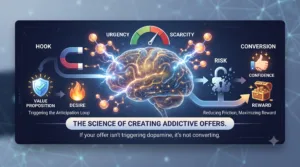
Fear of missing out is one of the strongest emotional drivers in consumer behavior. When shoppers see Only 3 left, their brain interprets it as a potential loss. Loss feels more intense than gain, so the idea of missing a product becomes more motivating than the idea of buying it.
Social Proof and Competition
When an item appears to be almost sold out, shoppers assume other people are buying it. This creates a sense of competition. Even if no one is actually racing for the product, the mind imagines a crowd of other shoppers reaching for the same item. This imagined competition increases urgency and pushes people to act faster.
Perceived Value Increase
Limited quantity makes a product feel more exclusive. Even if the item is common, the message Only 3 left makes it seem rare. Rarity increases perceived value, which makes shoppers more willing to buy immediately.
Why “Only 3 left” Works Better Than Other Urgency Messages
There are many urgency triggers in ecommerce. You have probably seen messages like Selling fast, Limited stock, or Almost gone. But Only 3 left is especially effective because it is specific. It gives a concrete number that feels real and believable.
Specific Numbers Feel More Trustworthy
A message like Limited stock is vague. Shoppers may ignore it because it feels like a generic marketing phrase. But Only 3 left feels like a real inventory update. It creates a sense of authenticity.
Three Is the Perfect Number
Three is small enough to feel urgent but large enough to feel realistic. If a site said Only 1 left, some shoppers might assume it is a marketing trick. If it said Only 10 left, the urgency would not feel as strong. Three hits the sweet spot.
It Creates Instant Action
The moment shoppers see Only 3 left, they feel a countdown begin in their mind. Even without a timer, the phrase creates a sense of time pressure. This leads to faster decisions and fewer abandoned carts.
How Ecommerce Brands Use Scarcity to Increase Conversions
Online retailers use scarcity marketing in many ways. The phrase Only 3 left is just one example. Brands combine it with other tactics to create a complete urgency driven shopping experience.
Real Time Inventory Alerts
Many ecommerce platforms show real time stock levels. When shoppers see numbers dropping, they feel the pressure increase. This tactic is especially effective for trending products.
Countdown Messages
Some stores pair Only 3 left with messages like Selling out today or High demand item. These combinations amplify urgency and push shoppers to act immediately.
Limited Time Offers
Scarcity works even better when paired with time pressure. For example, Only 3 left at this price creates both quantity scarcity and time scarcity.
Social Proof Notifications
Pop up messages like Someone just bought this item add another layer of urgency. They make shoppers feel like the product is in high demand.
The Emotional Journey of a Shopper Who Sees “Only 3 left”
To understand how powerful this phrase is, imagine the emotional journey of a shopper browsing an online store.
Stage One: Curiosity
The shopper is casually browsing. They are not committed to buying anything yet.
Stage Two: Interest
They find a product they like. They begin reading reviews and checking details.
Stage Three: Urgency Trigger
Suddenly they see the message Only 3 left. Their brain shifts from relaxed browsing to urgent decision making.
Stage Four: Fear of Missing Out
They imagine the product disappearing. They picture other shoppers grabbing the last few items.
Stage Five: Rapid Action
They add the item to their cart. They check out faster than usual. The urgency has pushed them to act.
This emotional journey is exactly why scarcity marketing is so effective. It transforms the shopping experience from passive to active.
Ethical Use of Scarcity Marketing
While scarcity is a powerful tool, it must be used responsibly. Shoppers appreciate honesty. If a brand uses false scarcity, it can damage trust. Ethical scarcity marketing means using real inventory numbers and genuine limited availability.
Transparency Builds Loyalty
When shoppers know a brand is honest, they are more likely to return. Real scarcity creates real urgency without manipulating customers.
Authenticity Improves Brand Reputation
Brands that use scarcity responsibly build stronger relationships with their audience. Shoppers appreciate authenticity and reward it with loyalty.
How Shoppers Can Stay Aware of Urgency Tactics
Understanding how scarcity works can help shoppers make more informed decisions. When you see Only 3 left, pause for a moment. Ask yourself whether you truly want the item or whether the urgency is influencing your decision.
Tips for Mindful Shopping
Take a breath before clicking buy
Compare similar products
Check whether the item is available elsewhere
Avoid impulse purchases unless you are certain
Being aware of urgency triggers helps you stay in control of your choices.
Final Thoughts: Why “Only 3 left” Will Always Influence Shoppers
The phrase Only 3 left is more than a simple inventory message. It is a powerful psychological trigger that taps into fear of missing out, social proof, and perceived value. It creates urgency, increases conversions, and shapes the way people shop online. As long as humans respond to scarcity, this message will continue to influence buying behavior.
If you are a brand, understanding this strategy can help you improve your ecommerce performance. If you are a shopper, recognizing these triggers can help you make more mindful decisions. Either way, the power of scarcity is here to stay.




Leave a Reply