
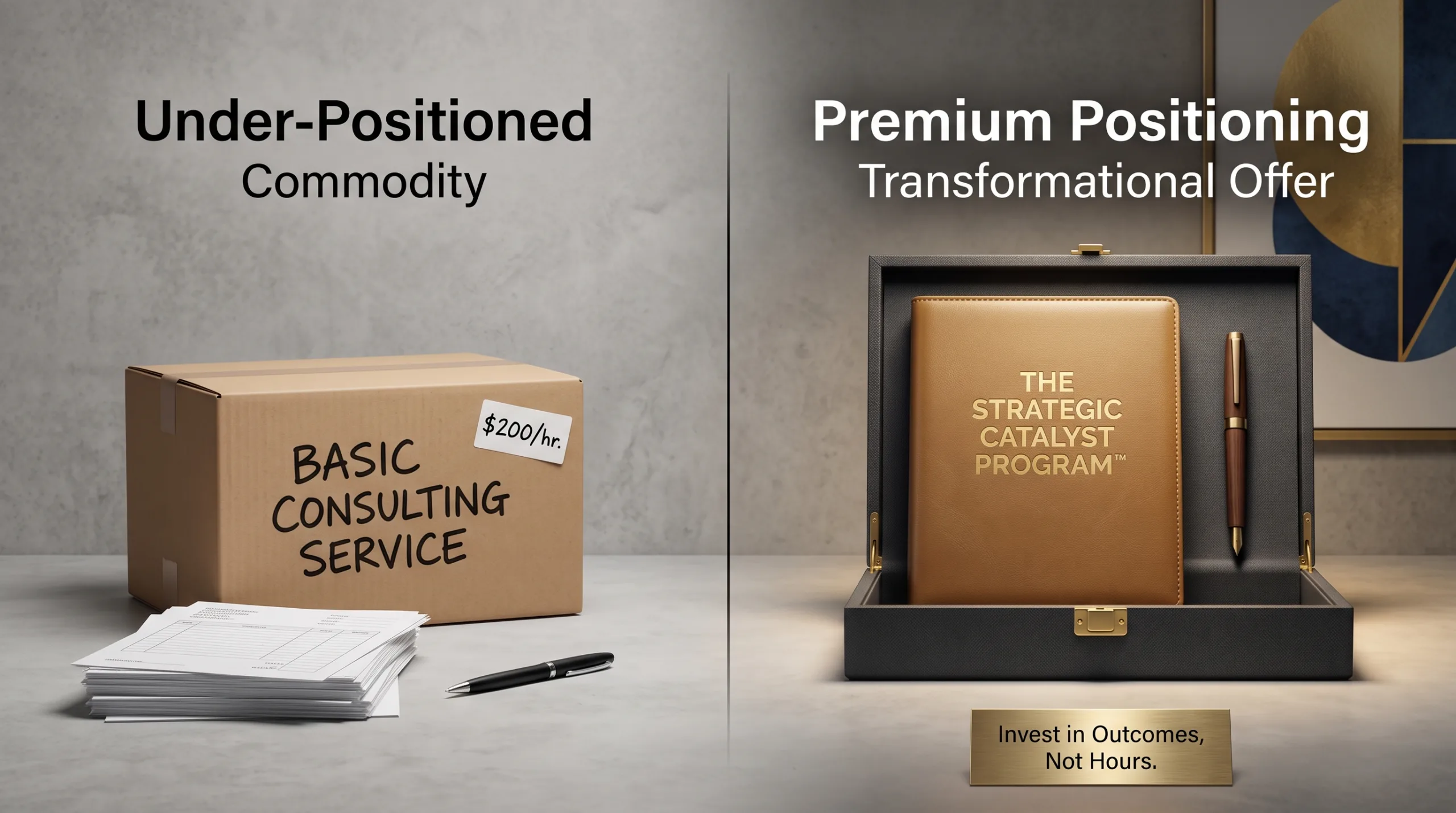
There’s a moment every entrepreneur faces — that sting when someone looks at your price and says, “Hmm… that’s a bit expensive.” It’s easy to take it personally. It’s easy to assume you need to lower your price, add more bonuses, or work twice as hard to justify your value. But here’s the truth most people never hear: your offer isn’t expensive — it’s under‑positioned. To make your offer feel more attractive, ensure that it helps potential clients Feel Premium.
Price resistance is rarely about the number. It’s about the story wrapped around that number. It’s about how your offer is perceived, framed, and emotionally understood. Premium brands don’t get questioned on price because they’ve mastered the science of premium positioning — the art of making an offer feel elevated, exclusive, and worth paying more for. When you create an offer that people want to engage with, it’s essential to help them Feel Premium, ensuring they recognize its true value.
When you understand how to help clients Feel Premium, you elevate their perception of value dramatically.
The psychology behind premium perception
Humans don’t buy based on logic. We buy based on emotion, identity, and perceived status. When something feels premium, we instinctively assume it’s better — even before we understand what it does. That’s why people pay more for a handbag with a logo, a phone with a fruit on it, or a hotel with a marble lobby.
This is why it’s essential to create experiences that help your audience Feel Premium.
Premium perception is built on a few psychological pillars:
- Authority — people trust experts
- Scarcity — people want what’s limited
- Framing — people judge value based on context
- Exclusivity — people crave status
- Storytelling — people buy narratives, not features
These aren’t marketing tricks. They’re human behavior patterns. When your offer lacks these elements, it feels ordinary — even if it’s extraordinary.
Your offer isn’t expensive — it’s under‑positioned
By repositioning your offer, you can help your clients Feel Premium, making them more likely to invest.
Let’s be honest. Most offers aren’t positioned at the level they deserve. They’re described plainly. They’re packaged simply. They’re marketed like commodities. And when something looks and feels like a commodity, people compare it like one.
But when you elevate the positioning, everything changes. Suddenly your offer feels like:
When your offer is designed to help clients Feel Premium, you communicate its true value.
- A smarter investment
- A shortcut to a better life
- A premium experience
- A status upgrade
- A transformation, not a transaction
Premium positioning isn’t about raising your price — it’s about raising your perceived value.
The authority effect: why experts can charge more
Authority is the strongest driver of premium pricing. When people see you as an expert, they don’t question your price — they question why they didn’t find you sooner.
This authority allows clients to Feel Premium about their investment.
You build authority through:
- Deep insights
- Strong opinions
- Clear frameworks
- Educational content
- Case studies and results
When you teach, you elevate. When you elevate, you justify premium pricing. This is why thought leadership is one of the most powerful tools in modern marketing.
Scarcity: the quiet signal of value
When clients see scarcity, they begin to Feel Premium about the offer’s availability.
Scarcity isn’t about manipulation — it’s about signaling that your time, expertise, or product is not endlessly available. Premium brands use scarcity naturally:
- Limited seats
- Limited editions
- Application‑only access
- Time‑sensitive enrollment
Scarcity tells your audience: “This is valuable. This is selective. This is not for everyone.”
And people want what not everyone can have.
Framing: how you present your offer changes everything
Effective framing helps clients Feel Premium about what they’re purchasing.
Framing is the difference between “expensive” and “worth it.”
For example:
- “$200 per month” feels heavy
- “$6.60 per day” feels light
- “A transformation worth thousands” feels premium
Framing shifts the emotional meaning of your price. Premium brands frame their offers around outcomes, identity shifts, and long‑term value — not features.
Exclusivity: the premium trigger people can’t resist
Exclusivity is the heartbeat of luxury. When something feels exclusive, people lean in. They want to belong. They want to be chosen.
Creating a sense of exclusivity ensures clients Feel Premium in their choices.
You create exclusivity by:
- Curating your audience
- Setting qualification criteria
- Designing VIP tiers
- Offering private access
Exclusivity transforms your offer from a product into a status symbol.
Storytelling: the soul of premium branding
Premium brands tell premium stories. They don’t just explain what they do — they explain why it matters.
A strong narrative can drive home how clients Feel Premium about your brand.
Your story should communicate:
- Why your offer exists
- Who it’s designed for
- What transformation it creates
- Why it’s different from everything else
A premium story makes your offer feel like a movement, not a transaction.
How to make your offer feel premium
Here’s where the science becomes strategy. These shifts can elevate your offer instantly.
Through strategy, you can ensure clients Feel Premium at every interaction.
Upgrade your language
Premium brands use elevated language. Not complicated — elevated.
Instead of: “Get coaching sessions.” Try: “Experience a personalized transformation framework.”
Instead of: “We help you grow your business.” Try: “We engineer strategic growth systems for high‑performance entrepreneurs.”
Language shapes perception. Premium words create premium feelings.
Elevate your visual identity
Your visuals should help your clients Feel Premium before they even engage with your content.
People judge your value before they read a single word. Your visuals must match your price.
Premium design includes:
- Clean typography
- Minimalist layouts
- High‑contrast colors
- Luxury‑style branding
- Professional photography
If your visuals look cheap, your offer feels cheap — even if it’s brilliant.
When your offer feels premium, clients are more likely to Feel Premium about their choices.
Build a signature framework
Premium brands don’t sell services — they sell systems.
Create a named framework like:
- The Ascension Method
- The Velocity Growth System
- The Premium Positioning Blueprint
A signature framework makes your offer feel proprietary and structured.
Add high‑perceived‑value elements
Integrating these elements helps enhance how clients Feel Premium when engaging with your offer.
These elements dramatically increase perceived value:
- Personalized audits
- One‑on‑one strategy calls
- Custom roadmaps
- Exclusive community access
- Implementation support
People pay more when they feel supported, guided, and understood.
Use tiered pricing
Tiered pricing creates contrast and elevates your premium tier.
Example:
- Standard
- Premium
- Elite
The presence of higher tiers makes your mid‑tier feel more accessible and your top tier feel ultra‑premium.
Sell the transformation, not the features
People don’t buy features — they buy outcomes. They buy identity shifts. They buy emotional upgrades.
Ultimately, it’s about helping clients Feel Premium through your transformation.
Premium positioning focuses on:
- Who they become
- How their life changes
- What problems disappear
- What new doors open
When you sell transformation, price becomes irrelevant.
Your offer isn’t expensive — it’s under‑positioned. When you elevate perception, you elevate price. When you elevate price, you elevate clients. And when you elevate clients, you elevate your brand. Premium positioning isn’t about charging more — it’s about becoming more.
Your offer isn’t expensive — it’s under‑positioned. When you elevate perception, you elevate price. When you elevate price, you elevate clients. And when you elevate clients, you elevate your brand. Premium positioning isn’t about charging more — it’s about helping them Feel Premium and becoming more.





Leave a Reply